
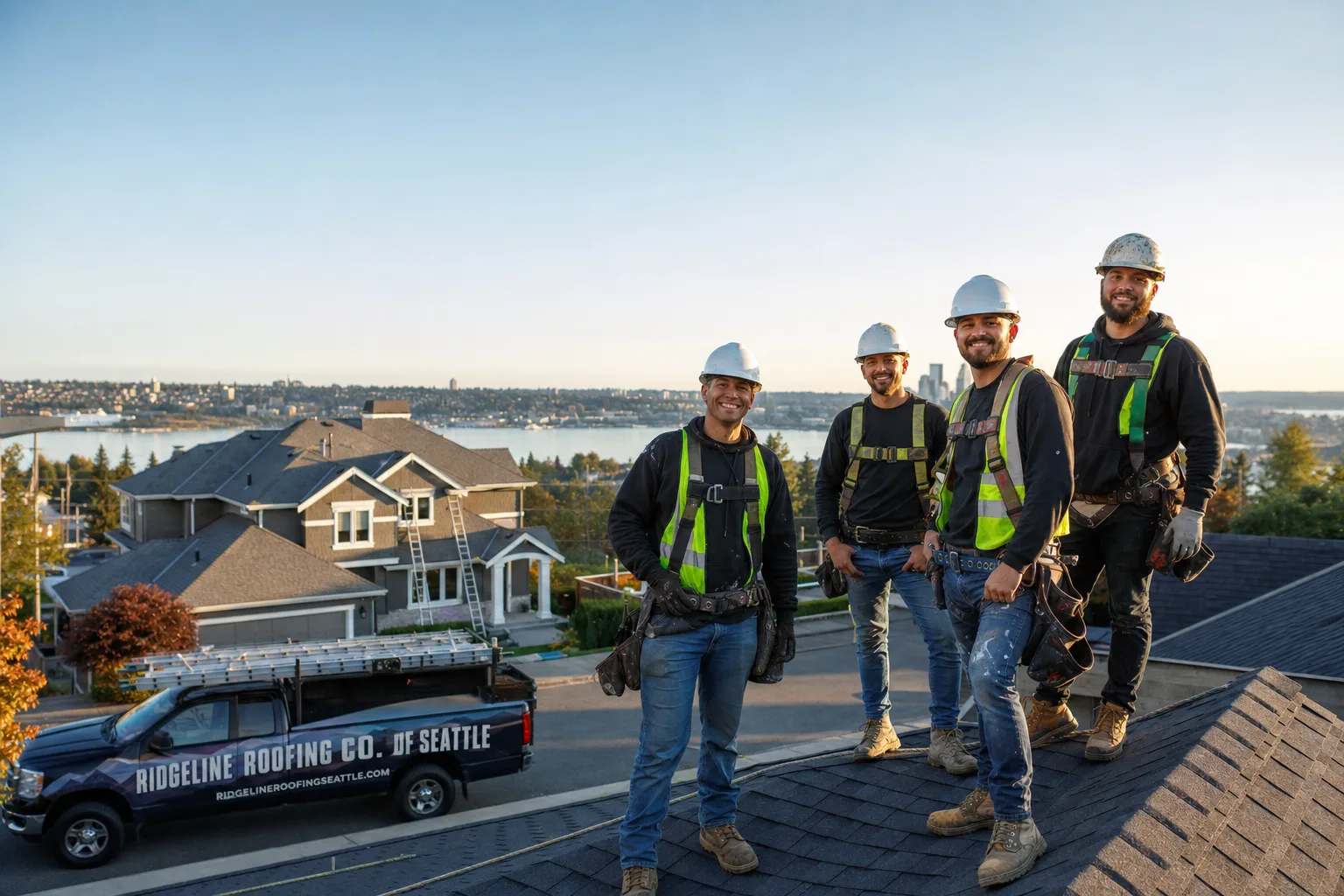
Fast, Reliable Specialty Roofing Across Auburn
Specialty roofing in Auburn, WA typically runs $8,500-$22,000 depending on system type, with most flat or low-slope commercial and residential jobs completed in 2-5 business days. Our crews cover all Auburn ZIP codes - 98001, 98002, 98071, and 98092 - and we keep TPO, modified bitumen, and built-up roofing materials stocked for same-day starts on urgent jobs. Call (866) 850-9676 and a live person will answer, 24 hours a day.
We’ve been crossing the Green River Valley to work on Auburn roofs since 2016. We know the difference between a ranch-style home on the valley floor near downtown and a 1990s subdivision up on Lea Hill. That local knowledge matters because Auburn’s microclimate punishes roofs differently than Kent or Federal Way just a few miles uphill. When we inspect a roof in Auburn, we’re not guessing at what we’ll find. We’ve already found it, hundreds of times.
Why Ridgeline Roofing Co. of Seattle Is Auburn’s Preferred Specialty Roofing Company
Auburn homeowners call us back. Not because we’re the cheapest crew that rolled through town, but because we show up when we say, document every inspection with photos from your actual roof, and back the work with our written 90-Day Done Right Promise. No paperwork to file, no arguing - if it’s not right, we make it right.
Our response time to Auburn averages under 90 minutes for emergency calls. We’re not dispatching from Tacoma or Bellevue. Our Seattle base puts us on I-5 and across the valley quickly, and our technicians know the local streets - from the older neighborhoods off Auburn Way to the newer builds climbing Lea Hill.
We’ve earned a strong local reputation across South King County by doing what we say we’ll do. Background-checked, uniformed technicians. Upfront pricing: the number on the estimate is the number on the invoice. And a live person answers every call, including the middle of a storm, because we remember what it feels like to have water coming through the ceiling and hit voicemail.
Neil Cavanaugh has led Ridgeline Roofing Co. since its founding in 1984. Over 42 years, we’ve trained local apprentices into journeymen and built a company that plans to be repairing and replacing roofs in Auburn thirty years from now - not chasing the next hailstorm out of state.
Our Specialty Roofing Services in Auburn
TPO Roofing
TPO single-ply membrane is our most-requested specialty system for Auburn’s commercial buildings and residential flat additions. The white reflective surface fights the heat buildup that can stress roofing adhesives in summer, but more importantly for Auburn, TPO’s heat-welded seams create a monolithic barrier that moss and algae can’t penetrate. We’ve installed TPO on low-slope office buildings near West Valley Highway and on garage roofs in the 98002 neighborhoods where homeowners were tired of fighting the valley’s persistent moisture. A typical TPO installation in Auburn runs $12,000-$18,000 for a 2,000-square-foot roof.
Modified Bitumen
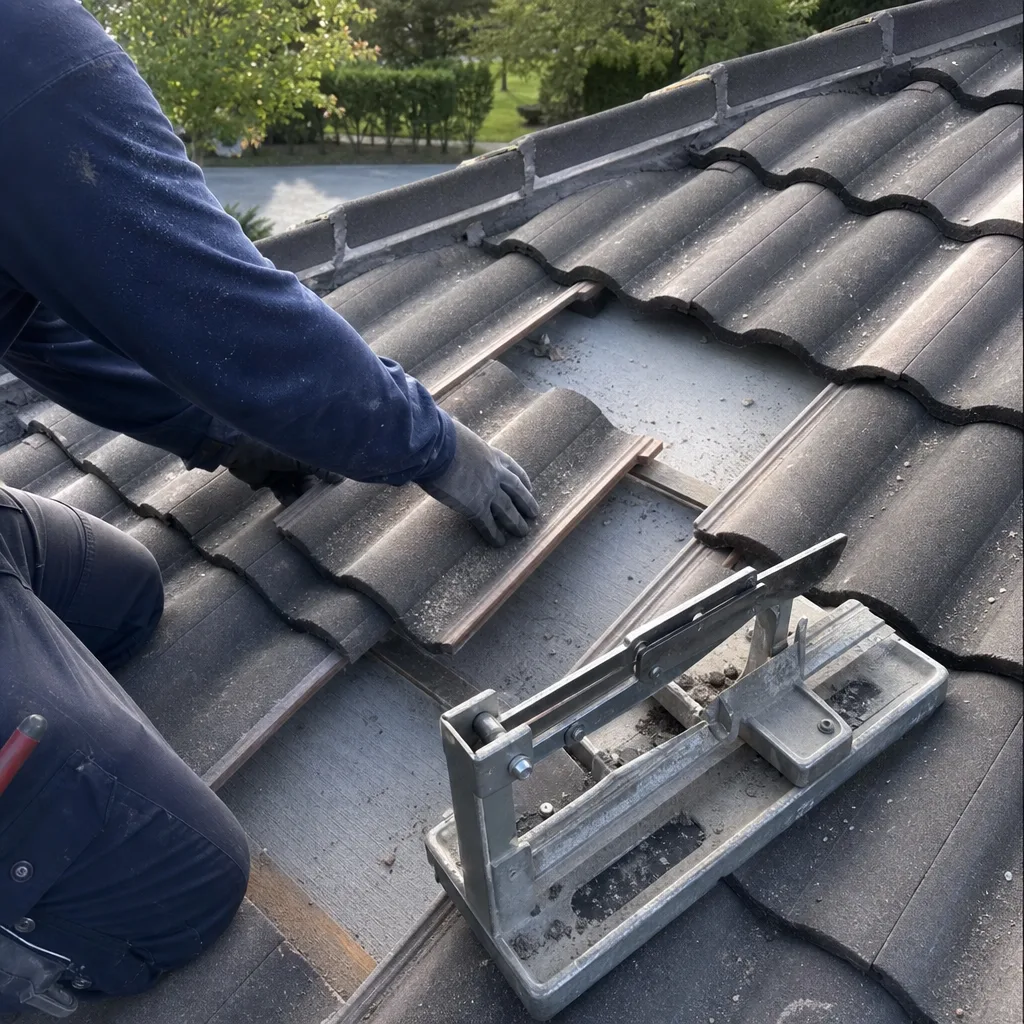
Modified bitumen remains the workhorse for Auburn’s older commercial stock and for residential applications where foot traffic or equipment access is likely. The multi-ply construction with torch-applied or self-adhering cap sheets gives us redundancy that single-ply systems can’t match. In Auburn’s humid valley climate, we specify APP-modified cap sheets with enhanced granule surfacing to resist biological growth. We’ve re-sheeted modified bitumen roofs on warehouses near the Muckleshoot Reservation and on mixed-use buildings along Main Street where the original 1980s installations had finally succumbed to decades of trapped moisture. Expect $10,000-$16,000 for a standard modified bitumen recovery in Auburn.
Built-Up Roofing
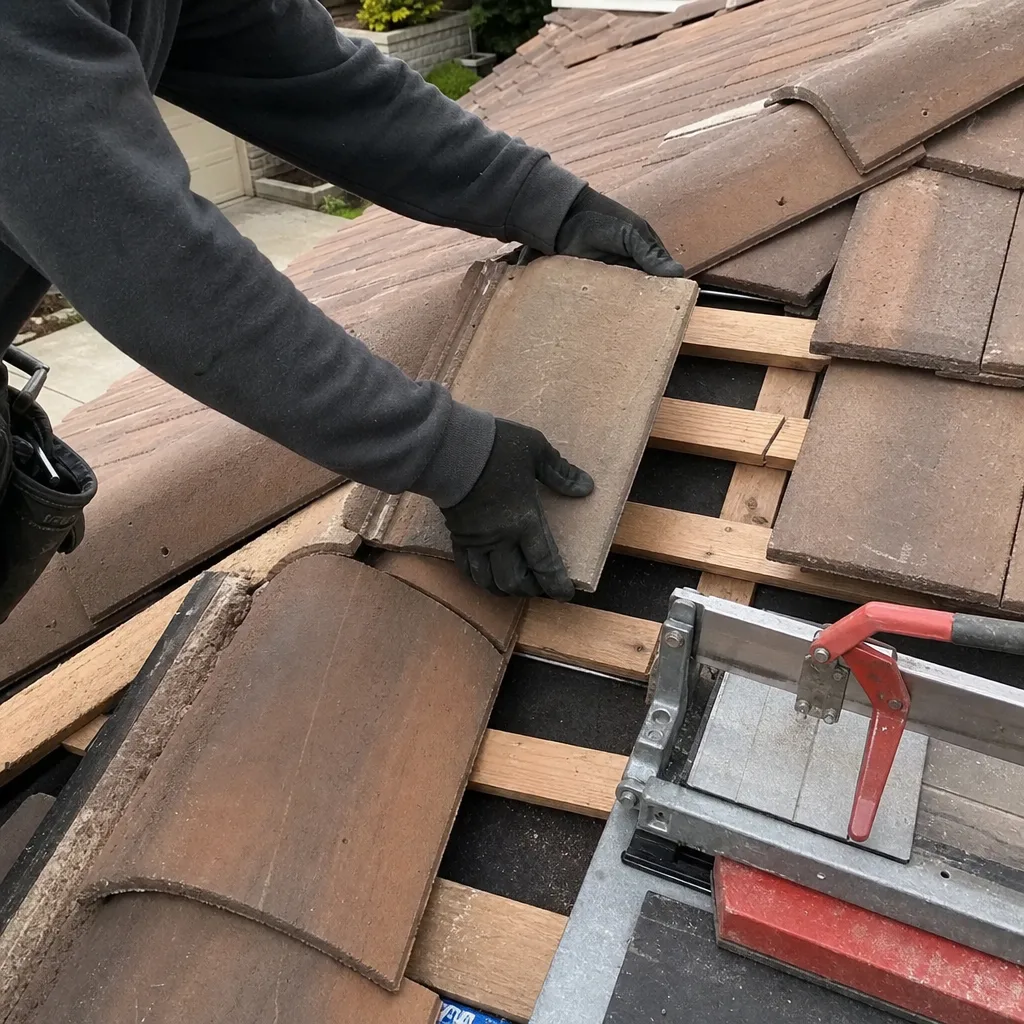
Built-up roofing - the traditional “tar and gravel” system - still makes sense for certain Auburn applications where extreme durability and puncture resistance outweigh cost considerations. The multiple layers of asphalt-impregnated felt and flood coat create a membrane thick enough to shrug off the branch falls and foot traffic common on commercial roofs near the Green River corridor. BUR’s mass also provides thermal stability that helps moderate the temperature swings between Auburn’s foggy mornings and occasional summer highs. We install BUR systems starting around $14,000 for smaller commercial roofs, with larger jobs reaching $22,000+.
Solar Ready Roofing
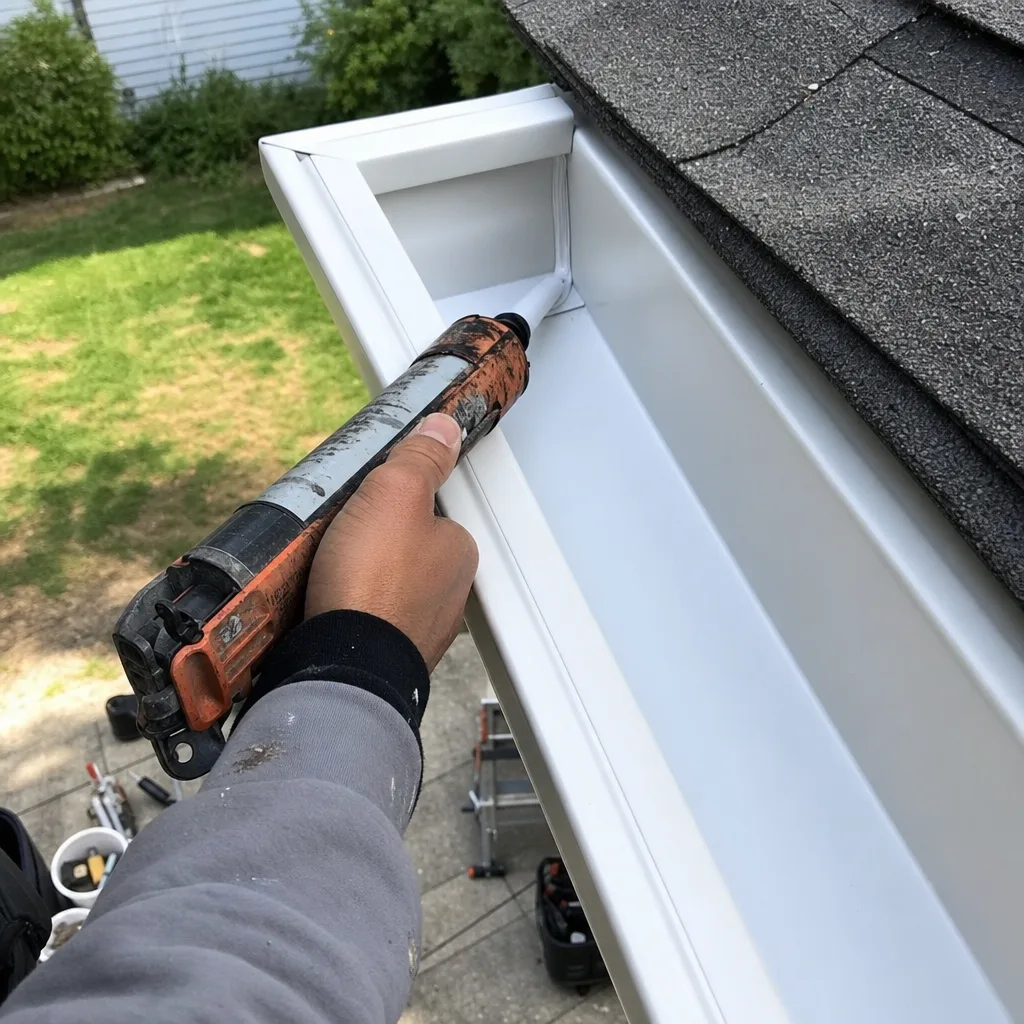
Auburn’s cloud cover doesn’t eliminate solar viability - it shifts the calculation. Our solar-ready roofing installations use reinforced decking and specialized underlayment designed to support panel arrays without compromising the primary roof system. We coordinate with your solar contractor to ensure flashing and penetration details won’t become the weak point where valley moisture finds its way in. For Auburn homeowners on Lea Hill and in the Lakeland areas, solar-ready roofing typically adds $2,500-$4,500 to a standard re-roof but protects against the costly tear-down that happens when panels are mounted on a roof not built to handle them.
EPDM Roofing
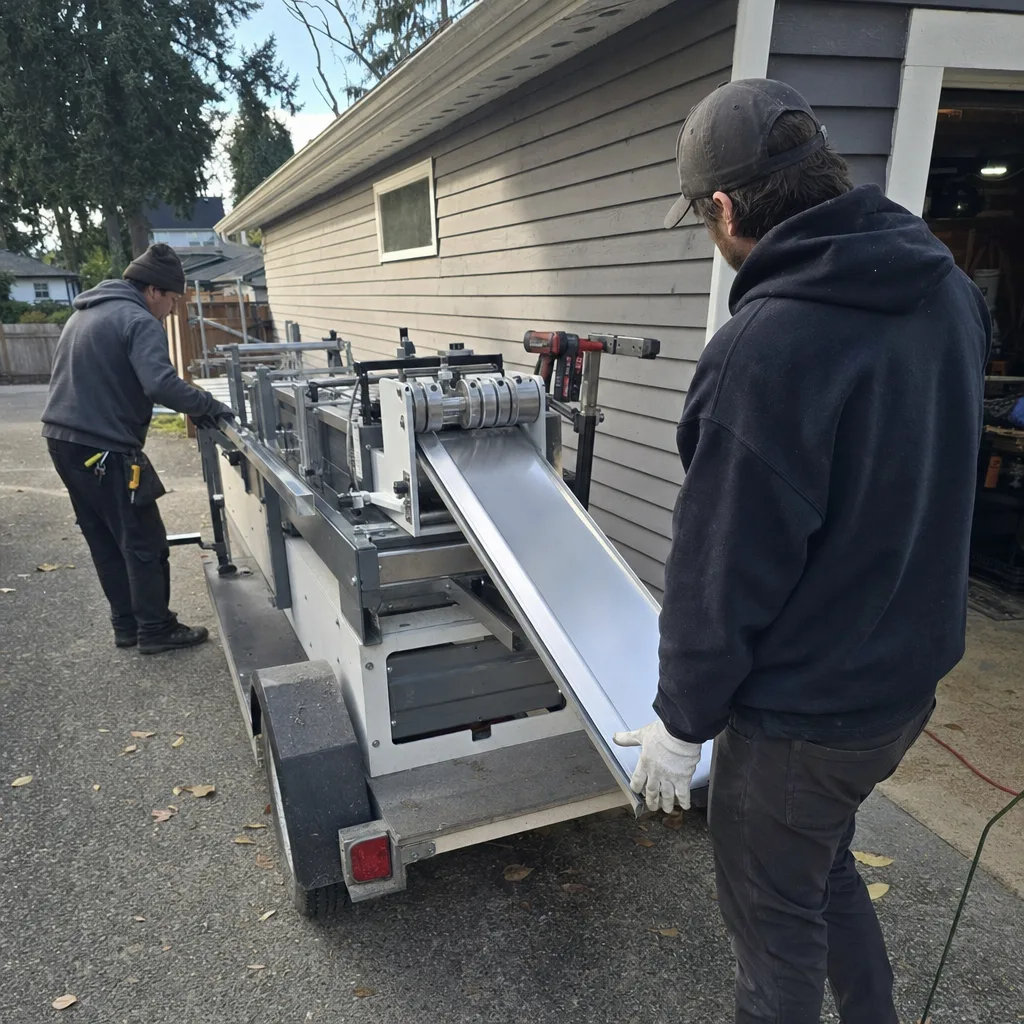
EPDM rubber membrane serves Auburn properties where chemical resistance or extreme flexibility matters - certain industrial applications, or residential situations with complex geometry that would stress stiffer materials. The black surface absorbs heat, which can be an advantage in winter ice-dam scenarios but requires careful specification in summer. We use EPDM selectively in Auburn, typically where the building’s use or design demands it rather than as a default recommendation.
Green Roof Systems
Green roofs are emerging in Auburn’s commercial and institutional sector, particularly on buildings seeking stormwater mitigation credits. The engineered growing media and drainage layers add significant load, so we always start with a structural assessment. The payoff is a living system that manages rainfall, reduces urban heat island effect, and provides insulation - but in Auburn’s already-moist climate, drainage design is critical to avoid creating the very moisture problems the green roof is supposed to solve.
What happens when you call
- 1
A real person answersNo phone trees - you reach a local pro.
- 2
You get an upfront price rangeHonest numbers before anyone is dispatched.
- 3
A background-checked tech heads outLicensed & insured, dispatched right away.
- 4
You approve before work beginsNothing starts until you say go.
Trusted Brands We Service in Auburn
We don’t substitute materials without telling you. As an authorized installer for GAF, CertainTeed, Owens Corning, IKO, Atlas, Tamko, and Boral, we specify what the job calls for and install what we specify. For our Auburn customers, that means we stock common TPO membrane widths, modified bitumen rolls, and built-up roofing felts locally - not ordering from a warehouse three states away and hoping the truck shows up on time. When we quote a job in Auburn, we’re quoting materials we can put our hands on this week. That local inventory is how we keep most specialty roofing jobs moving without the delays that stretch a two-day project into two weeks.
Common Specialty Roofing Problems We See in Auburn Homes
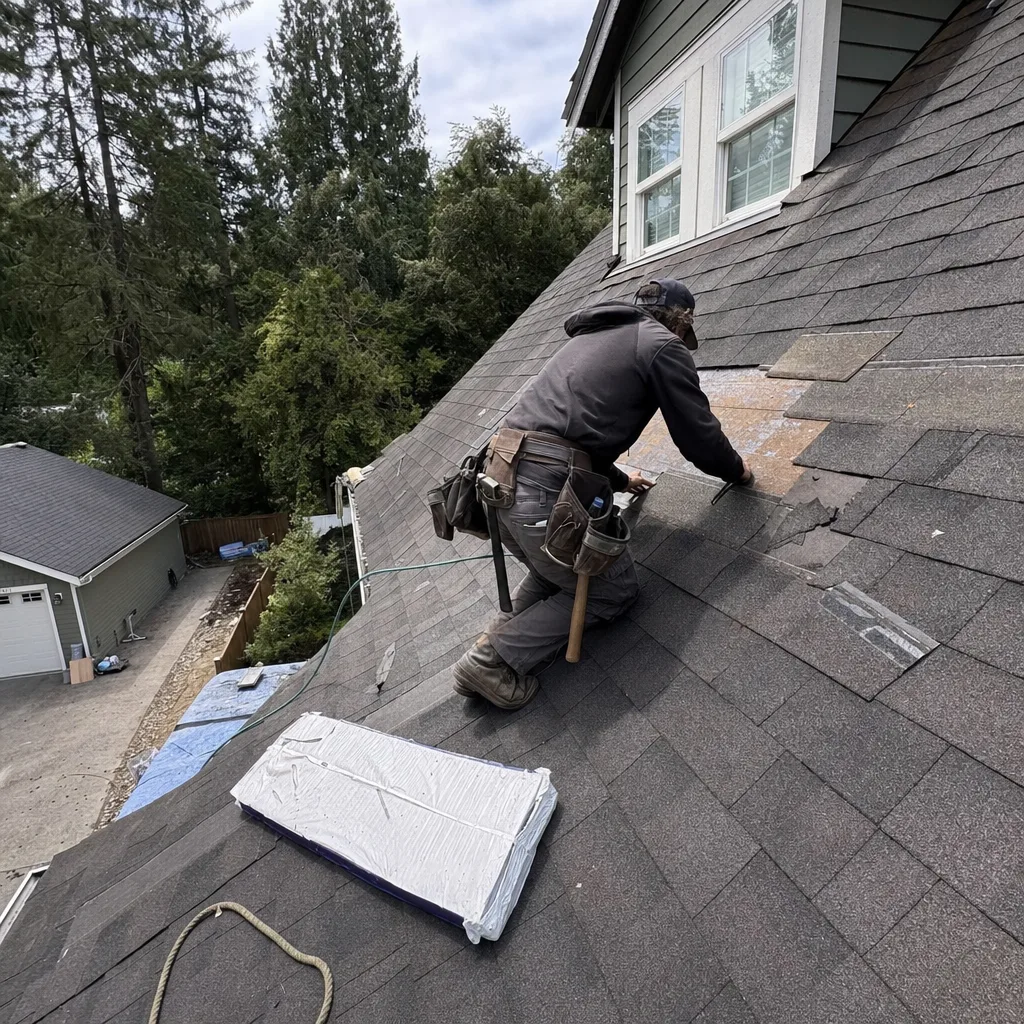
- Moss mat rotting structural decking from underneath. On the valley floor in ZIPs 98001 and 98002, we regularly lift shingles to find OSB decking turned to pulp beneath a thriving moss colony. The moss holds moisture against the roof surface so persistently that underlayment and decking fail years before the shingles themselves show obvious wear. What looks like a cosmetic problem becomes a structural rebuild.
- Algae and lichen degrading granule surfacing on specialty membranes. Cool, saturated air pooling in the Green River Valley accelerates biological growth that eats away at the protective granules on modified bitumen cap sheets and built-up roofing flood coats. Once granules thin, UV exposure accelerates, and the membrane becomes brittle - vulnerable to cracking and wind uplift.
- Cupped and curled shingle tabs on low-slope transitions. Many Auburn homes have enclosed porches or additions with shallow pitches that were originally shingled. The persistent surface wetness in the valley causes these tabs to curl, creating entry points for wind-driven rain during winter storms. We often convert these areas to TPO or modified bitumen during re-roofing.
- Inadequate drainage on flat commercial roofs. Auburn’s 38-42 inches of annual precipitation isn’t extreme by Pacific Northwest standards, but when drains clog with moss debris and the roof was already slow to dry, water ponds for days. That standing water breeds algae, stresses seams, and eventually finds any flaw in the membrane. We inspect and clear drains as standard practice on every Auburn commercial roof we touch.
Pricing for Specialty Roofing in Auburn, WA
| System Type | Typical Range (Auburn) | Notes |
|---|---|---|
| TPO Roofing | $12,000 - $18,000 | Reflective white, heat-welded seams; ideal for flat commercial/residential |
| Modified Bitumen | $10,000 - $16,000 | Multi-ply redundancy; APP cap sheets for moss resistance |
| Built-Up Roofing (BUR) | $14,000 - $22,000+ | Maximum durability; heavier structural load |
| Solar Ready Roofing | +$2,500 - $4,500 | Add-on to standard re-roof; reinforced decking and penetrations |
| EPDM Roofing | $11,000 - $17,000 | Chemical resistance; flexible for complex geometry |
| Green Roof Systems | $25,000 - $45,000+ | Engineered growing media; requires structural assessment |
What moves a job to the higher end: extensive deck replacement from moisture damage (common in 98001 and 98002), structural reinforcement for green roof loads, or complex flashing details on multi-level commercial buildings. We quote upfront - the number you see is the number you pay. No surprises when we open up the roof and find what Auburn’s valley climate has been hiding. Call (866) 850-9676 for a free estimate; we’ll inspect, photograph, and explain exactly what you’re looking at.
We Also Serve Cities Near Auburn
Our crews work throughout the Green River Valley and surrounding plateaus. If you’re in Auburn proper, Lea Hill, Lakeland North, Lakeland South, or Pacific, we’re the same distance away and we know your roof’s challenges. Each of these communities shares some of Auburn’s moisture patterns but with local variations - Lea Hill’s elevation moderates fog retention somewhat, while Pacific’s riverfront position can intensify it. We adjust our specifications accordingly.
Serving Auburn, WA - Our Local Coverage Area
We’re based in the Auburn area and know this community well. Use the map below to see our service coverage - if you’re nearby, we can almost certainly help.
FAQs - Specialty Roofing in Auburn
The moss mat traps moisture against the roof surface for hours longer than in surrounding cities, rotting OSB decking and underlayment from underneath while the shingles above still appear serviceable. We recently tackled a full tear-off and deck replacement in the 98001 ZIP near Lea Hill where moss mat had rotted the OSB decking under 15-year-old Owens Corning architectural shingles. The homeowners had thought a simple shingle swap would suffice, but the valley-floor moisture had already compromised the structural core. If your Auburn home is in 98001 or 98002 and you’ve never had the decking inspected, call (866) 850-9676 - estimates are free.
Auburn falls within King County’s wind exposure zone requiring 110 mph basic wind speed design for residential construction and 115-120 mph for commercial per current IBC and IRC adopted standards. For specialty roofing systems, we specify membranes and attachment methods rated to these loads, with enhanced fastening patterns at perimeters and corners where uplift forces concentrate. Modified bitumen and TPO installations on Auburn commercial buildings include additional fastening strips at terminations. We handle permit submittals and inspections as part of our standard project management.
TPO, modified bitumen, and built-up roofing all perform well when specified with Auburn’s moisture challenges in mind. TPO’s heat-welded seams resist biological intrusion. Modified bitumen’s multi-ply construction provides redundancy if moisture finds one layer. Built-up roofing’s mass and aggregate surfacing shrug off physical damage. The key is proper drainage design and specifying cap sheets or coatings with enhanced algae resistance. Our Specialty Roofing team selects materials from our seven manufacturer lines based on your specific building and exposure, not a one-size-fits-all approach.
Auburn’s valley-floor position traps cool, saturated air that keeps roof surfaces damp well into midday for much of the year. Kent and Federal Way sit on higher ground where morning fog burns off faster and roofs dry sooner. That difference of just a few hours of daily wetness compounds over years, making Auburn’s moss and algae colonization measurably more aggressive. A roof product that lasts 25 years in Federal Way may show critical moss damage in 15 years in downtown Auburn. We’ve documented this repeatedly in our photo inspections.
Yes - solar panels generate power from diffuse light, not just direct sun, and Auburn’s annual solar resource is sufficient for meaningful production. The practical question is roof longevity: solar panels last 25-30 years, so mounting them on a roof with 10 years of life remaining creates a costly removal and reinstallation. Solar-ready roofing ensures your roof structure and waterproofing are built to outlast the panels. For Auburn homeowners planning to stay long-term, it’s sound planning, not optimism about the weather.
Written by Neil Cavanaugh, Owner at Ridgeline Roofing Co., serving Auburn since 2016.